Sober living and transitional recovery housing programs
Structured, substance-free recovery residences and transitional living homes supporting peer accountability and outpatient step-down. Compare 855 sober living and transitional recovery programs across 51 US states and territories and 2 international countries. Listings as of 19 Sep 2026.
Public directory listings are starting points. Always call the facility to confirm clinical services, insurance network status, and current availability. How listings work
- Programs listed
- 855
- Lists Medicaid
- 638
- Lists Medicare
- 268
- Private insurance
- 375
Verified by findingrehab.io
Verified sober living and transitional recovery programs (7)
Checked by our team on 20 Oct 2026: sober living and transitional recovery programs with confirmed state licenses, accreditation, facility photos, and direct admissions lines (methodology).
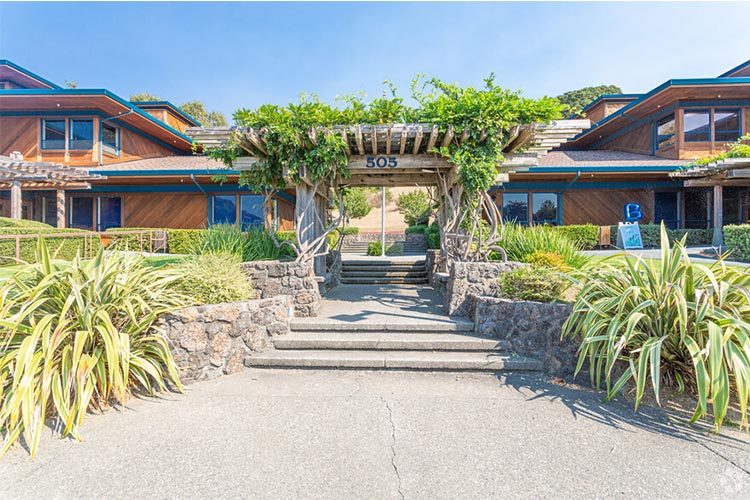
Novato, CA
Golden Gate Recovery
Joint Commission Accredited Men's Dual Diagnosis PHP, IOP & Structured Sober Living in Marin County
This number forwards directly to Golden Gate Recovery's admissions line. We count calls; we don't record them.
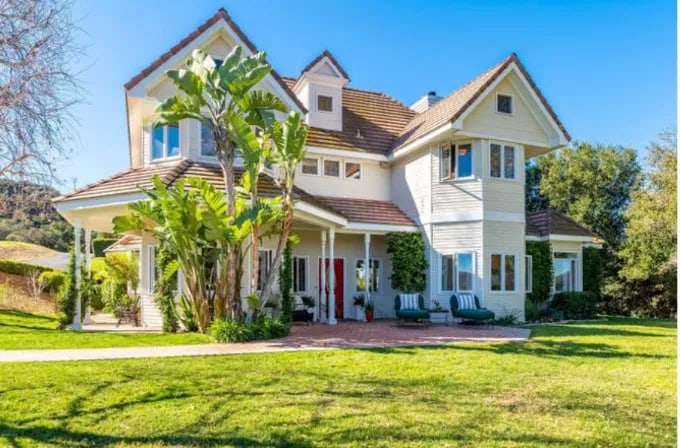
Westlake Village, CA
Oak Forest Recovery
CARF Accredited Dual Diagnosis PHP, IOP & Lifehab Sober Living in Westlake Village and Agoura Hills
This number forwards directly to Oak Forest Recovery's admissions line. We count calls; we don't record them.
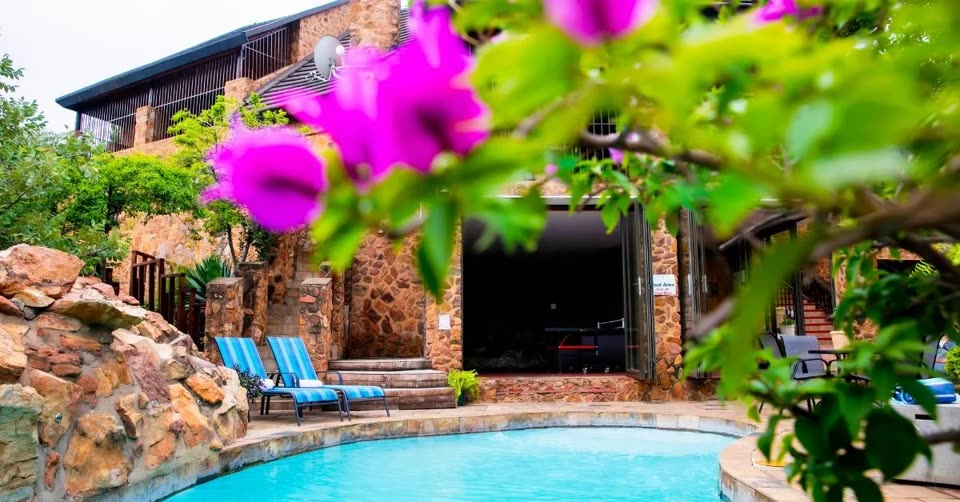
Hartbeespoort, South Africa
Freeman House Recovery
Licensed Luxury Medical Detox, Residential & Dual Diagnosis Estate Overlooking Hartbeespoort Dam, South Africa
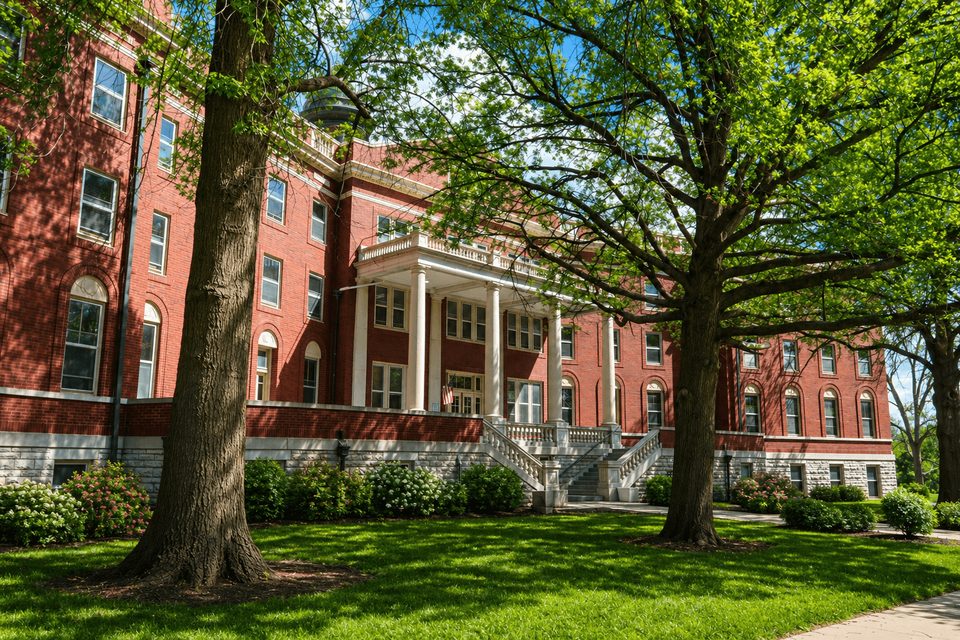
Paola, KS
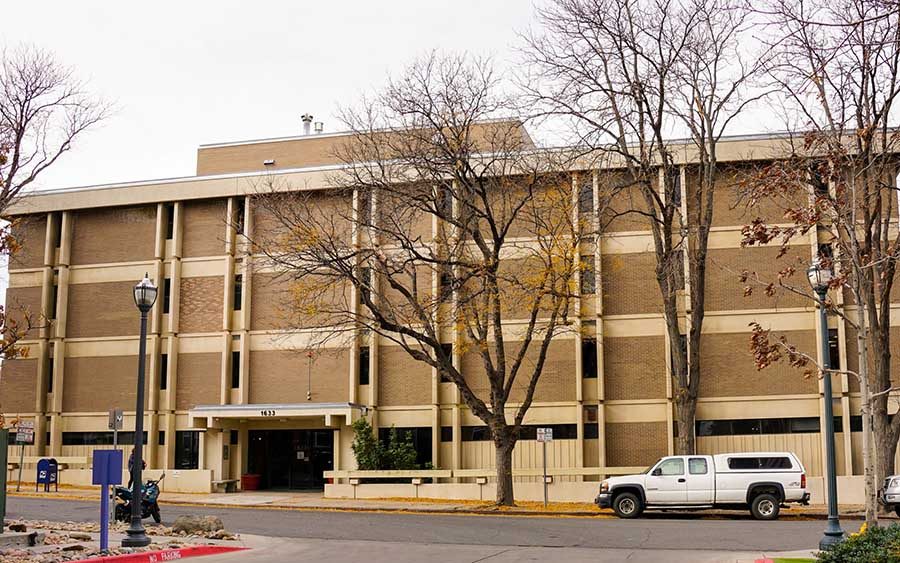
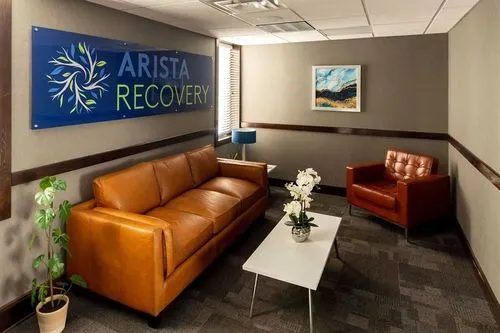
Arista Recovery at Paola
Joint Commission Accredited 38-Acre Medical Detox & Residential Campus in Paola, Kansas
This number forwards directly to Arista Recovery at Paola's admissions line. We count calls; we don't record them.
Denver, CO
Mile High Recovery Center
Joint Commission Accredited Residential, PHP, IOP & 9-Home Sober Living Continuum in Central Denver
This number forwards directly to Mile High Recovery Center's admissions line. We count calls; we don't record them.
Overland Park, KS
Arista Recovery Overland Park
Joint Commission Accredited PHP, IOP & MAT Outpatient Center in Overland Park, Kansas
This number forwards directly to Arista Recovery Overland Park's admissions line. We count calls; we don't record them.
Mansfield, United Kingdom
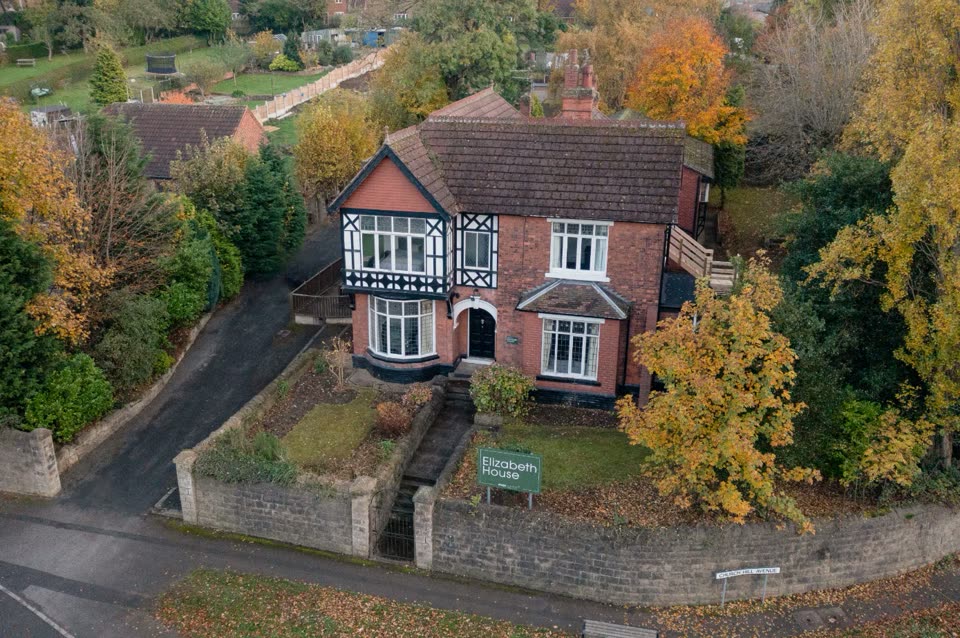
Steps Together Elizabeth House Secondary Care
Private 10 Bed Second Stage Extended Residential & Reintegration Programme in Mansfield Woodhouse, Nottinghamshire (Steps Together CQC Rated Good Group)
- Verified directory
Browse all 7 verified centers
Compare every editorially verified facility across the United States, United Kingdom, South Africa, and Thailand with regulatory license numbers, photo tours, and direct admissions lines.
Sober living & housing by US state & territory
Select a state or territory to open its directory pre-filtered to sober living and transitional recovery programs. You can then narrow further by city, ZIP code distance, or insurance carrier.
What to know about sober living and transitional recovery programs
Sober living homes and transitional recovery residences provide a structured, drug- and alcohol-free peer living environment for individuals stepping down from residential treatment or attending daytime PHP or IOP care.
Unlike licensed inpatient rehab, standalone sober living houses focus on peer accountability, curfews, house meetings, random drug and alcohol testing, and independent living routines rather than onsite medical or clinical therapy. Many residents pair sober living housing with outpatient clinical care.
When evaluating a recovery residence, ask whether the home is certified by a state affiliate of the National Alliance for Recovery Residences (NARR), what the house rules and testing protocols are, and what monthly room-and-board fees cover.
Questions to ask when you call
- Is the residence certified by the state NARR affiliate (such as CCAPP in California, CARR in Colorado, or FARR in Florida) or licensed as transitional housing?
- Is an awake house manager onsite overnight, and what are the curfew, guest, and drug-screening policies?
- Does the residence accept residents taking prescribed MAT medications such as buprenorphine (Suboxone) or naltrexone (Vivitrol)?
- What is the monthly self-pay room-and-board rate, and how is clinical PHP or IOP care coordinated nearby?
Frequently asked questions
- How many sober living and transitional housing programs are listed on findingrehab.io?
- Our directory lists 855 treatment and recovery programs offering sober living or transitional housing across 51 US states and territories and 2 international countries, including 638 listing Medicaid, 268 listing Medicare, and 375 listing private insurance for clinical care. You can also explore our dedicated Verified Sober Living directory at /sober-living/.
- Does health insurance pay for sober living rent?
- Health insurance generally covers clinical treatment services (such as PHP, IOP, outpatient therapy, and medication management) rather than room-and-board rent at a standalone sober living house. Some states fund transitional recovery housing through Medicaid waivers or state recovery grants.
- What is the difference between residential rehab and sober living?
- Residential rehab is a licensed clinical facility with 24-hour staff and daily onsite therapy. Sober living is a structured, substance-free shared residence where residents build independent routines while working, studying, or attending outpatient treatment.
- Can I take prescribed MAT medication in a sober living home?
- Many modern recovery residences welcome residents on stable, physician-prescribed MAT such as Suboxone or Vivitrol, while some traditional houses remain abstinence-only. Always confirm the home's exact medication policy before moving in.