Dual diagnosis and co-occurring mental health treatment
Integrated treatment programs addressing both substance use disorders and co-occurring depression, anxiety, PTSD, or bipolar disorder. Compare 5,277 dual diagnosis programs across 51 states and territories. Listings as of 19 Sep 2026.
Public directory listings are starting points. Always call the facility to confirm clinical services, insurance network status, and current availability. How listings work
- Programs listed
- 5,277
- Lists Medicaid
- 4,769
- Lists Medicare
- 3,993
- Private insurance
- 3,380
Verified by findingrehab.io
Verified dual diagnosis centers (10)
Personally reviewed programs offering dual diagnosis with confirmed state licenses, accreditation, facility photo tours, and direct admissions lines.
Westlake Village, CA Outpatient & Sober Living
Oak Forest Recovery
CARF Accredited Dual Diagnosis PHP, IOP & Lifehab Sober Living in Westlake Village and Agoura Hills
- License / ID
- California Department of Health Care Services: 191079BP
- Facility tour
- 9 facility photos
Northridge, CA Residential & Medical Detox
Northridge Addiction Treatment Center
Joint Commission Accredited 12-Bed Medical Detox & Residential Estate in the San Fernando Valley
- License / ID
- California Department of Health Care Services: 191075AP
- Facility tour
- 9 facility photos
Paola, KS Residential & Medical Detox
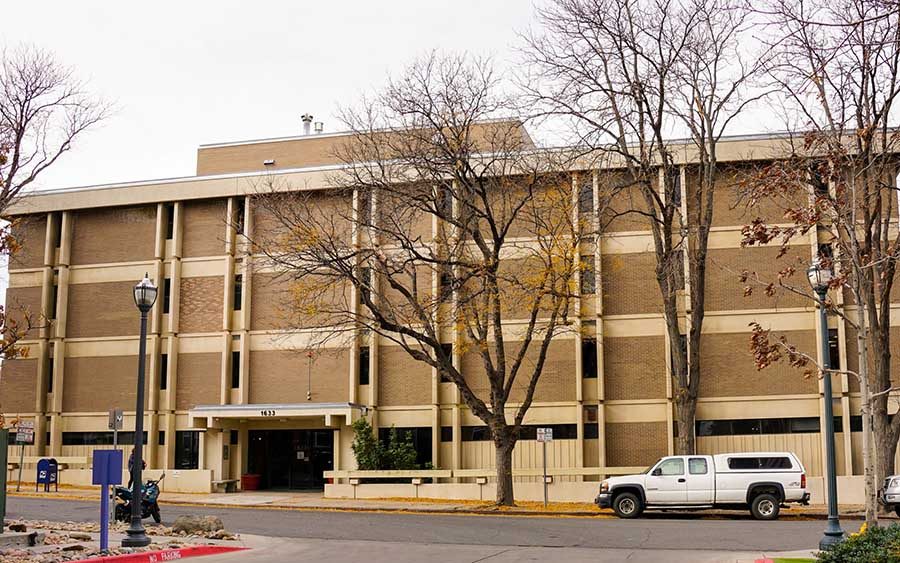
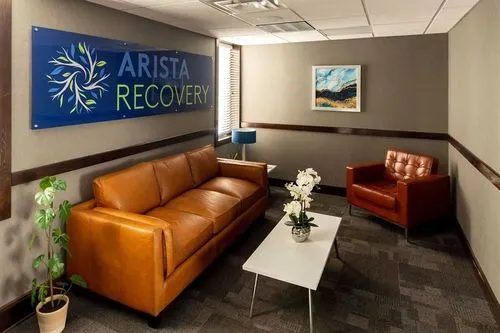
Arista Recovery at Paola
Joint Commission Accredited (HCO #680623) 38-Acre Medical Detox & Residential Campus in Paola, Kansas
- License / ID
- Kansas Department for Aging and Disability Services: Behavioral Health Services Commission
- Facility tour
- 9 facility photos
Denver, CO Residential
Mile High Recovery Center
Joint Commission Accredited (HCO #653969) Residential, PHP, IOP & 9-Home Sober Living Continuum in Central Denver
- License / ID
- Colorado Behavioral Health Administration: OwnPath Verified Provider
- Facility tour
- 9 facility photos
Novato, CA Outpatient & Men's Sober Living
Golden Gate Recovery
Joint Commission Accredited Men's Dual Diagnosis PHP, IOP & Structured Sober Living in Marin County
- License / ID
- California Department of Health Care Services: 210052AP
- Facility tour
- 9 facility photos
Los Angeles, CA Residential & Medical Detox
Numa Recovery Centers
Joint Commission Accredited Medical Detox & California Craftsman Residential Rehab in Los Angeles
- License / ID
- California Department of Health Care Services: 191284AP & 300436AP
- Facility tour
- 9 facility photos
Elizabeth, CO Residential
Healing Pines Recovery for Men
Joint Commission Accredited 6-to-8-Bed Men's Residential Lodge on 40 Pine-Forested Acres in Elizabeth, Colorado
- License / ID
- Colorado Behavioral Health Administration: License #2929-BHE001
- Facility tour
- 9 facility photos
Hilliard, OH Residential & Medical Detox
Arista Recovery Ohio
Joint Commission Accredited (HCO #680623) Medical Detox, Residential Rehab & Inpatient Mental Health in Hilliard / Columbus
- License / ID
- Ohio Department of Mental Health and Addiction Services: OCAT LLC (Arista Recovery Ohio)
- Facility tour
- 9 facility photos
Overland Park, KS Outpatient
Arista Recovery Overland Park
Joint Commission Accredited (HCO #680623) PHP, IOP & MAT Outpatient Center in Overland Park, Kansas
- License / ID
- Kansas Department for Aging and Disability Services: Behavioral Health Services Commission
- Facility tour
- 7 facility photos
Stockton, CA Virtual Telehealth & Outpatient
Path 2 Purpose (California Virtual & Outpatient Program)
Statewide California Virtual PHP, IOP & Outpatient Mental Health and Dual Diagnosis Program
- License / ID
- Medical Board of California & Board of Behavioral Sciences: Path to Purpose LLC
- Facility tour
- 8 facility photos
- Verified directory
Browse all 10 verified centers
Compare every editorially verified facility across California, Colorado, Kansas and Ohio with state license numbers, LegitScript status, facility photo tours and direct admissions lines.








Dual diagnosis programs by state
Select a state to open its directory pre-filtered to dual diagnosis programs. You can then narrow further by city, ZIP code distance, or insurance carrier.
- Alabama (49)
- Alaska (37)
- Arizona (220)
- Arkansas (79)
- California (328)
- Colorado (106)
- Connecticut (105)
- Delaware (16)
- District of Columbia (3)
- Florida (182)
- Georgia (124)
- Hawaii (13)
- Idaho (39)
- Illinois (176)
- Indiana (201)
- Iowa (55)
- Kansas (50)
- Kentucky (153)
- Louisiana (75)
- Maine (55)
- Maryland (137)
- Massachusetts (160)
- Michigan (178)
- Minnesota (119)
- Mississippi (59)
- Missouri (90)
- Montana (50)
- Nebraska (69)
- Nevada (44)
- New Hampshire (51)
- New Jersey (128)
- New Mexico (60)
- New York (237)
- North Carolina (137)
- North Dakota (16)
- Ohio (333)
- Oklahoma (85)
- Oregon (78)
- Pennsylvania (150)
- Rhode Island (18)
- South Carolina (12)
- South Dakota (17)
- Tennessee (168)
- Texas (162)
- Utah (94)
- Vermont (30)
- Virginia (124)
- Virtual and multistate (4)
- Washington (125)
- West Virginia (67)
- Wisconsin (183)
- Wyoming (26)
What to know about dual diagnosis
Roughly half of adults seeking addiction treatment also experience a co-occurring mental health condition such as major depression, generalized anxiety, post traumatic stress disorder (PTSD), bipolar disorder, or OCD. Treating only one condition while ignoring the other increases the risk of relapse.
True dual diagnosis programs integrate psychiatric evaluation, non addictive psychiatric medication management, and trauma informed psychotherapy (such as CBT, DBT, and EMDR) alongside substance use recovery in the same clinical plan.
When evaluating a dual diagnosis center, ask whether licensed psychiatrists or psychiatric nurse practitioners are on staff, how often patients meet with them, and whether the facility holds state licenses for both substance use and mental health care.
Questions to ask when you call
- Do you have a psychiatrist or psychiatric nurse practitioner on staff to evaluate and adjust mental health medications?
- Are master's or doctoral level licensed therapists leading individual trauma, depression, and anxiety sessions?
- Does your facility hold state licensure for both substance abuse treatment and mental health care?
- How do you coordinate ongoing psychiatric care and therapy referrals when a patient steps down or discharges?
Frequently asked questions
- How many dual diagnosis treatment programs are listed on findingrehab.io?
- Our directory lists 5,277 programs that treat both substance abuse and mental health across 51 states and territories, including 4,769 listing Medicaid, 3,993 listing Medicare, and 3,380 listing private insurance.
- What does dual diagnosis treatment mean?
- Dual diagnosis (or co-occurring disorder) treatment means addressing a substance use disorder and a mental health condition such as depression, anxiety, PTSD, or bipolar disorder at the same time with one coordinated clinical team.
- Should detox happen before psychiatric assessment?
- Initial safety and psychiatric screening happen right at intake, while a full diagnostic evaluation often continues once acute withdrawal subsides so clinicians can distinguish substance effects from underlying mood or anxiety symptoms.
- Does health insurance cover dual diagnosis rehab?
- Yes. Under the Mental Health Parity and Addiction Equity Act, most commercial plans, Medicaid, and Medicare cover integrated substance use and mental health treatment when medically necessary.
All care levels & specialties · Medical detox · Residential rehab · Day treatment (PHP) · Intensive outpatient (IOP) · Medication assisted (MAT) · Veterans & military · Women's programs · Men's programs · Young adults & teens · Medicaid · Medicare · Private insurance · By insurance carrier