Primary mental health and psychiatric treatment programs
Residential, PHP, IOP, and outpatient psychiatric programs treating depression, anxiety, PTSD and trauma, bipolar disorder, and OCD. Compare 6,447 mental health treatment programs across 51 US states and territories and 3 international countries. Listings as of 19 Sep 2026.
Public directory listings are starting points. Always call the facility to confirm clinical services, insurance network status, and current availability. How listings work
- Programs listed
- 6,447
- Lists Medicaid
- 5,636
- Lists Medicare
- 4,431
- Private insurance
- 3,886
Verified by findingrehab.io
Verified mental health treatment programs (19)
Checked by our team on 20 Oct 2026: mental health treatment programs with confirmed state licenses, accreditation, facility photos, and direct admissions lines (methodology).
Northridge, CA
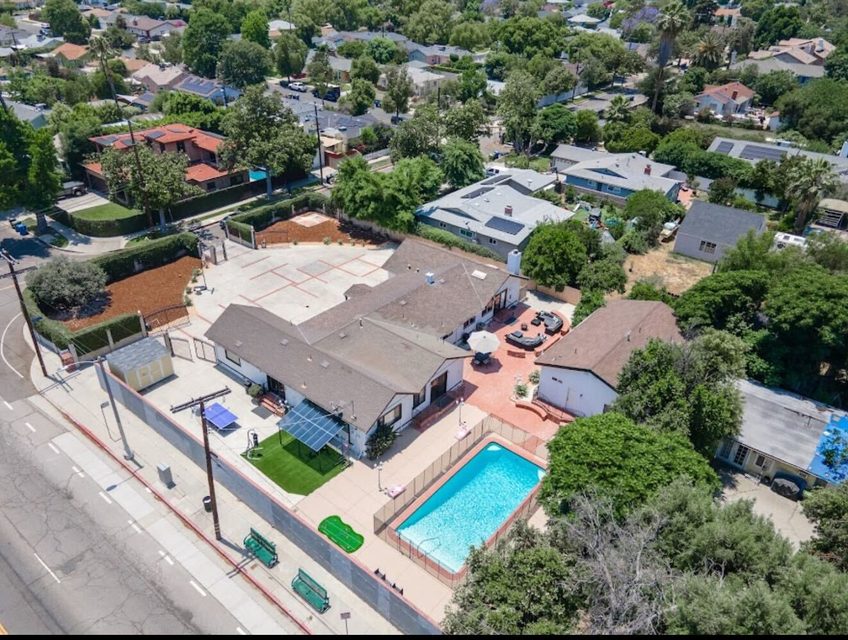
Northridge Addiction Treatment Center
Joint Commission Accredited 12-Bed Medical Detox & Residential Estate in the San Fernando Valley
This number forwards directly to Northridge Addiction Treatment Center's admissions line. We count calls; we don't record them.
Novato, CA
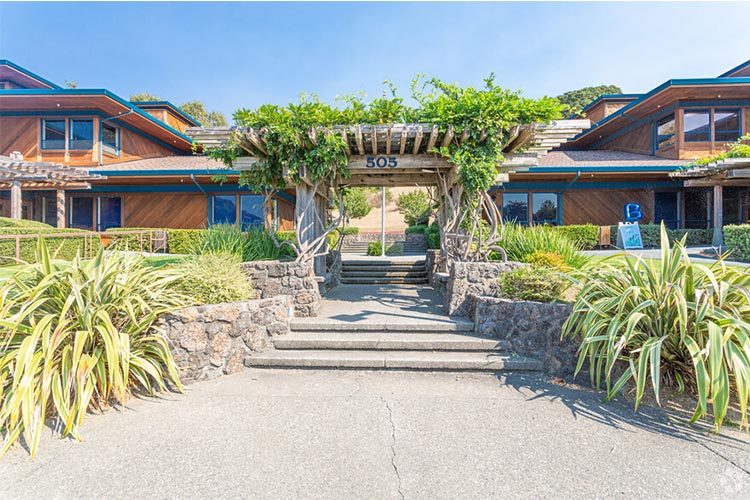
Golden Gate Recovery
Joint Commission Accredited Men's Dual Diagnosis PHP, IOP & Structured Sober Living in Marin County
This number forwards directly to Golden Gate Recovery's admissions line. We count calls; we don't record them.
Westlake Village, CA
Oak Forest Recovery
CARF Accredited Dual Diagnosis PHP, IOP & Lifehab Sober Living in Westlake Village and Agoura Hills
This number forwards directly to Oak Forest Recovery's admissions line. We count calls; we don't record them.
Stockton, CA · Virtual in CA, NJ & PA
Path 2 Purpose
Virtual PHP, IOP & Outpatient Mental Health and Dual Diagnosis Care Serving California, New Jersey & Pennsylvania
This number forwards directly to Path 2 Purpose's admissions line. We count calls; we don't record them.
Los Angeles, CA
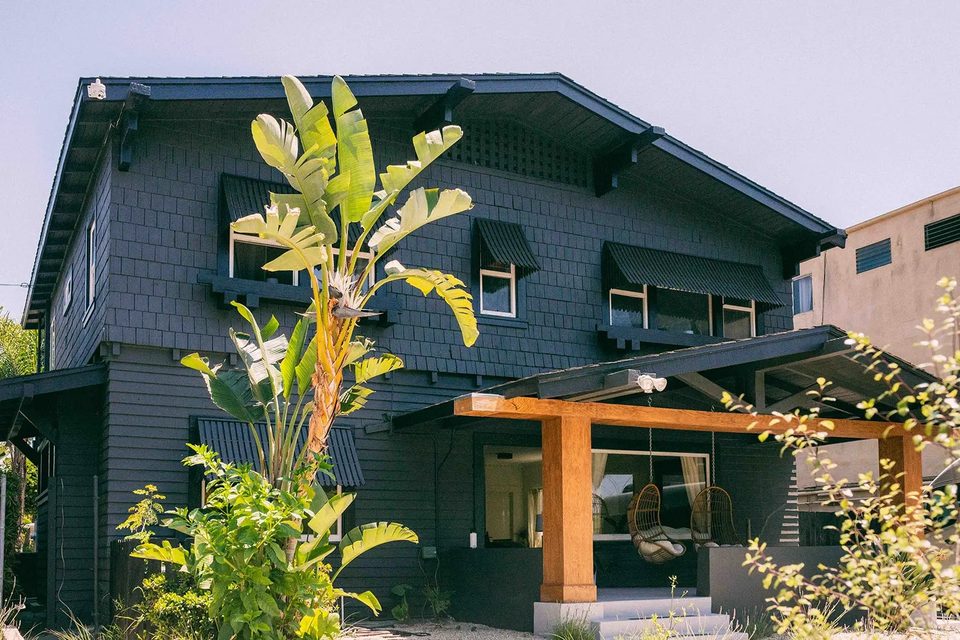
Numa Recovery Centers
Joint Commission Accredited Medical Detox & California Craftsman Residential Rehab in Los Angeles
This number forwards directly to Numa Recovery Centers's admissions line. We count calls; we don't record them.
Hartbeespoort, South Africa
Freeman House Recovery
Licensed Luxury Medical Detox, Residential & Dual Diagnosis Estate Overlooking Hartbeespoort Dam, South Africa
Paola, KS
Arista Recovery at Paola
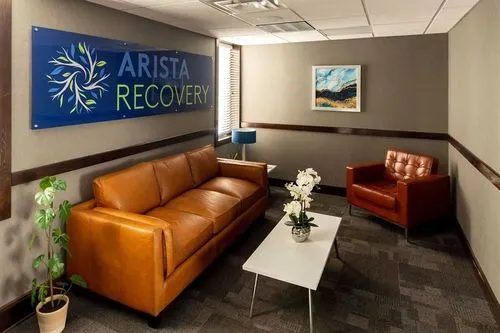
Joint Commission Accredited 38-Acre Medical Detox & Residential Campus in Paola, Kansas
This number forwards directly to Arista Recovery at Paola's admissions line. We count calls; we don't record them.
Denver, CO
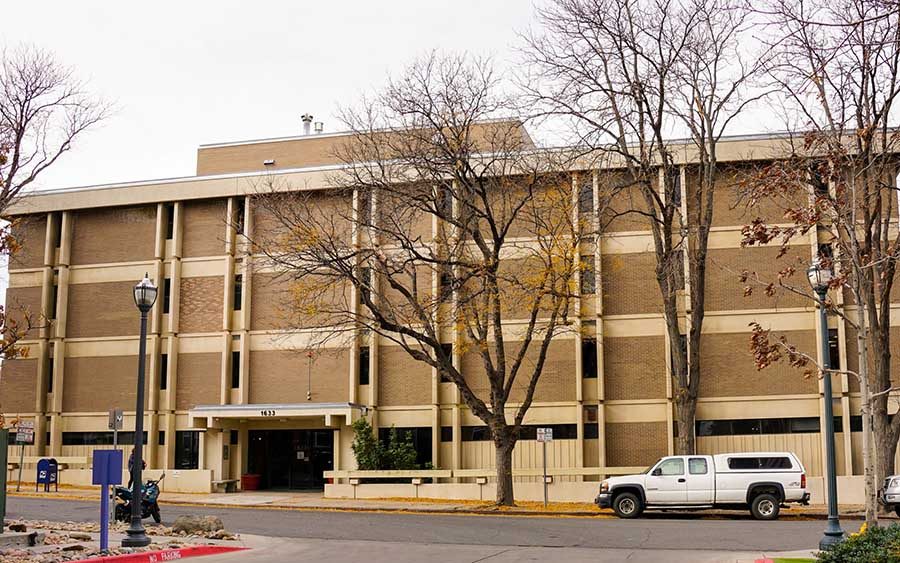
Mile High Recovery Center
Joint Commission Accredited Residential, PHP, IOP & 9-Home Sober Living Continuum in Central Denver
This number forwards directly to Mile High Recovery Center's admissions line. We count calls; we don't record them.
Elizabeth, CO
Healing Pines Recovery for Men
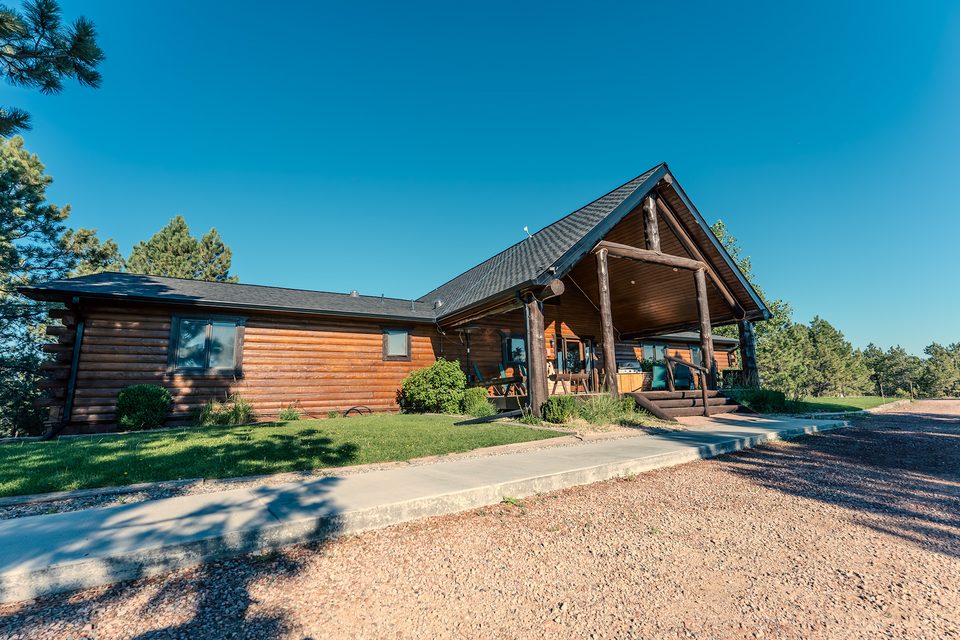
Joint Commission Accredited 6-to-8-Bed Men's Residential Lodge on 40 Pine-Forested Acres in Elizabeth, Colorado
This number forwards directly to Healing Pines Recovery for Men's admissions line. We count calls; we don't record them.
Hilliard, OH
Arista Recovery Ohio
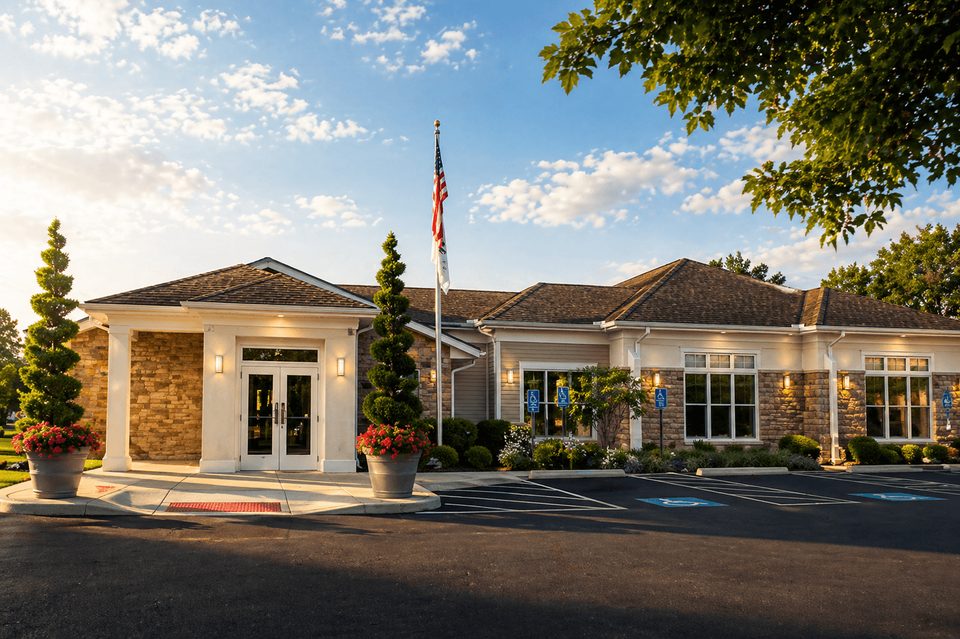
Joint Commission Accredited Medical Detox, Residential Rehab & Inpatient Mental Health in Hilliard / Columbus
This number forwards directly to Arista Recovery Ohio's admissions line. We count calls; we don't record them.
Overland Park, KS
Arista Recovery Overland Park
Joint Commission Accredited PHP, IOP & MAT Outpatient Center in Overland Park, Kansas
This number forwards directly to Arista Recovery Overland Park's admissions line. We count calls; we don't record them.
Koh Phangan, Thailand
Holina Rehab Thailand
Thailand Ministry of Public Health Licensed Luxury Beachfront Medical Detox, Trauma & Residential Rehab on Koh Phangan
St Helens, United Kingdom
Steps Together Rainford Hall
Private Country Estate Residential Treatment & Clinical Detox Programme in St Helens, Merseyside
St Helens, United Kingdom
Steps Together Fenny Bank Cottage
Bespoke Single Occupancy Private Executive Treatment & Clinical Detox Cottage on the 350 Acre Rainford Hall Estate
Arnesby, United Kingdom
Steps Together The Chestnuts
Private 7 Bed Boutique Country House Detox & Residential Treatment Programme in Arnesby, Leicestershire
Sutton-in-Ashfield, United Kingdom
Steps Together Bank House
Private 12 Bed Clinical Detox & Primary Residential Treatment Programme in Sutton-in-Ashfield, Nottinghamshire
Sutton-in-Ashfield, United Kingdom
Steps Together George House Recovery Hub
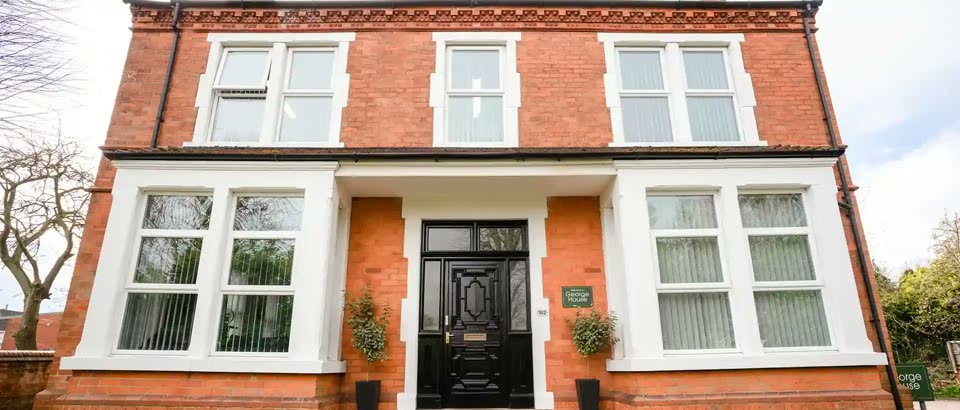
Private Outpatient Psychotherapy, Day Treatment & Family Recovery Hub in Sutton-in-Ashfield, Nottinghamshire (Steps Together CQC Rated Good Group)
Mansfield, United Kingdom
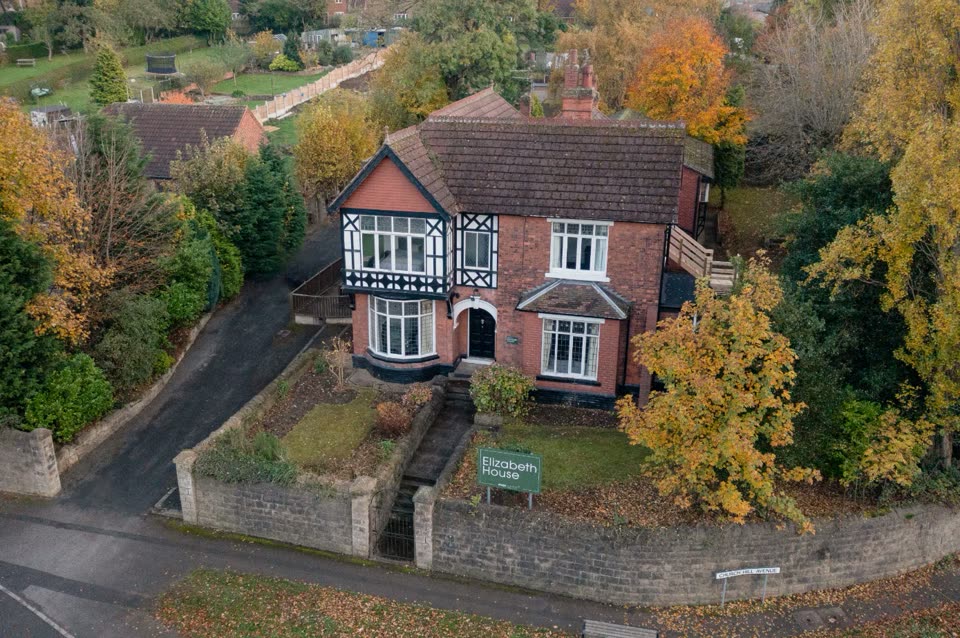
Steps Together Elizabeth House Secondary Care
Private 10 Bed Second Stage Extended Residential & Reintegration Programme in Mansfield Woodhouse, Nottinghamshire (Steps Together CQC Rated Good Group)
London, United Kingdom
Steps Together at Ten Harley Street (London)
Private Central London Outpatient Addiction, Trauma & Executive Treatment Programme at 10 Harley Street, Marylebone (Steps Together CQC Rated Good Group)
- Verified directory
Browse all 19 verified centers
Compare every editorially verified facility across the United States, United Kingdom, South Africa, and Thailand with regulatory license numbers, photo tours, and direct admissions lines.










Mental health care by US state & territory
Select a state or territory to open its directory pre-filtered to mental health treatment programs. You can then narrow further by city, ZIP code distance, or insurance carrier.
What to know about mental health treatment programs
Mental health treatment programs serve individuals experiencing major depression, generalized or panic anxiety, post-traumatic stress disorder (PTSD), bipolar disorder, obsessive-compulsive disorder (OCD), or personality disorders, either as a primary diagnosis or alongside substance use.
Levels of care mirror addiction treatment: acute psychiatric inpatient stabilization, live-in mental health residential centers, full-day partial hospitalization (PHP), multi-day intensive outpatient (IOP), and standard outpatient psychotherapy and medication management.
If you or a loved one are seeking care for a mental health condition without a substance use disorder, ask whether the facility operates a dedicated primary mental health track separate from addiction recovery groups.
Questions to ask when you call
- Does your facility offer a dedicated primary mental health track for patients who do not have a substance use disorder?
- How frequently does each patient meet individually with a board-certified psychiatrist or psychiatric nurse practitioner?
- Which evidence-based therapies (such as CBT, DBT, EMDR, ACT, or exposure and response prevention) are used for depression, anxiety, or PTSD?
- What state mental health facility license and national accreditation does the program hold?
Frequently asked questions
- How many mental health treatment programs are listed on findingrehab.io?
- Our directory lists 6,447 programs with mental health treatment services across 51 US states and territories and 3 international countries, including 5,636 listing Medicaid, 4,431 listing Medicare, and 3,886 listing private insurance.
- What is the difference between primary mental health care and dual diagnosis treatment?
- Primary mental health programs treat conditions like depression, anxiety, PTSD, or bipolar disorder when no substance use disorder is present. Dual diagnosis programs (/care/dual-diagnosis/) treat both a substance use disorder and a co-occurring mental health condition together.
- When is residential mental health treatment or PHP recommended over weekly therapy?
- Residential mental health care, PHP, or IOP is recommended when symptoms significantly impair daily functioning, work, or safety, or when weekly outpatient therapy and medication adjustments have not provided enough stabilization.
- Does health insurance cover residential and PHP mental health care?
- Yes. Federal mental health parity laws require most employer, ACA marketplace, Medicaid, and Medicare plans to cover medically necessary mental health inpatient, residential, PHP, and IOP care comparably to medical and surgical benefits.